BELT DRIVES PCC-69-112 Drive 1.5
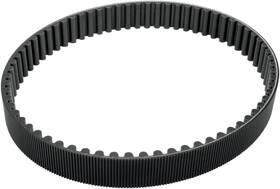
( Brand: Belt Drives ), ( Manufacturer Part Number: PCC-69-112 ), ( Part Type: Drive )
Review BELT DRIVES 1.5 Inch 69 Tooth Primary Drive
Introducing the PCC-69-112 1.5 69 Belt Drive, a high-performance component designed for power transmission applications. This belt drive is engineered to deliver exceptional reliability and efficiency, making it an ideal choice for various industrial and commercial uses.
The PCC-69-112 1.5 69 Belt Drive features a robust design, with a 1.5-inch pitch and a 69-tooth drive pulley. The belt is made of premium rubber compound, ensuring excellent traction and flexibility under varying operating conditions. The pulleys are precision-machined from high-quality steel, ensuring optimal alignment and balance for smooth and efficient power transmission.
This belt drive is compatible with a wide range of motor and driven equipment, including pumps, fans, conveyors, and other industrial machinery. Its versatile design allows it to handle heavy loads and high torque applications, making it a reliable solution for demanding power transmission requirements.
The PCC-69-112 1.5 69 Belt Drive is also designed with easy maintenance in mind. Its modular construction allows for quick and easy replacement of worn-out components, minimizing downtime and reducing maintenance costs. Moreover, its durable construction ensures long-lasting performance, reducing the need for frequent replacements.
The PCC-69-112 1.5 69 Belt Drive is manufactured to meet the highest industry standards for quality and safety. It undergoes rigorous testing to ensure that it meets or exceeds the required specifications for power transmission, load capacity, and torque. With its superior design, reliable performance, and easy maintenance features, the PCC-69-112 1.5 69 Belt Drive is an excellent investment for any industrial or commercial power transmission application.
Belt drives, specifically the PCC-69-112 1.5 69 series, offer several advantages and disadvantages for power transmission applications. Here's a brief analysis of each:
Advantages:1. Quiet operation: Belt drives produce less noise compared to gear drives due to their flexible design. This makes them an excellent choice for applications where noise reduction is essential.
2. Smooth power transmission: Belts offer more flexibility than gears, allowing for smoother power transmission. They are particularly suitable for applications involving variable speeds or loads.
3. Reduced vibration: The flexible nature of belts dampens vibrations, making them less prone to causing damage to connected machinery or structures.
4. Easy maintenance: Belts are simpler to replace or maintain compared to gears. In the event of belt failure, the replacement process is generally quicker and less expensive.
Disadvantages:1. Higher power loss: Belts transmit power with some degree of slippage, resulting in increased power loss compared to direct-coupled or gear drives. This can lead to reduced efficiency and higher energy consumption.
2. Limited torque capacity: Belts have finite tensile strength and can only transmit a certain amount of torque. For high-torque applications, a gear drive may be more suitable.
3. Wear and tear: Belts are susceptible to wear and tear over time, especially in high-load or high-speed applications. Regular maintenance and replacement are necessary to ensure optimal performance.
4. Misalignment: Belts can accommodate some degree of misalignment between connected shafts, but excessive misalignment can lead to premature belt failure or increased wear and tear.
In conclusion, belt drives, including the PCC-69-112 1.5 69 series, offer several benefits such as quiet operation, smooth power transmission, reduced vibration, and easy maintenance. However, they also have some drawbacks, including higher power loss, limited torque capacity, susceptibility to wear and tear, and sensitivity to misalignment.
Considering these factors, belt drives are recommended for applications where quiet operation, smooth power transmission, and ease of maintenance are essential, and the power requirements and torque capacity are within acceptable limits. For high-torque or high-speed applications, gear drives may be a more suitable alternative.
Details:
For BDL primary Drives. Compare the microfiche for USA model to your be sure they are same. NOTE: Image may not be actual item and differ depending on your vehicle fitment.
part #: pcc69112 prices
- $195.00-$1402.77
specifications drivebeltcycleoi:
- brand: Belt Drives
- mpn: Pcc-69-112
- part type: Drive
offer driveBeltcycleoi:
- availability: In Stock
- started: April 24, 2025
- sold: 0
- quantity: 1
general driveBeltcycleoi:
- condition: New
- Transmission Drivetrain > Final Primary Drive Parts Kits > Final Drive Belts Chains
shipping driveBeltcycleoi:
seller driveBeltcycleoi:
- city: Michigan
- rating: 98.6%
- # reviews: 1981 07
returns driveBeltcycleoi:
- paid by: Buyer
- time: 30 Days
- policy: Returns Accepted
payments driveBeltcycleoi:
- credit card: Visa
- wallet: Paypal
Belt Drives PCC-69-112 Is Similar To:
- 0000001 Suzuki Savage Drive Belt (20.9% similar) Used in good condition...(June 11th, 2018)
- 012642007460 Earthquake Replacement Belt Tooth (20% similar) ...(October 10th, 2018)
- 013s Pdl Harley-davidson Rear Drive Belt Bdl-pc-125 (24.8% similar) The rear drive Belt new...(February 26th, 2018)
- 03g3470 Gates Drive Belt (23.1% similar) Identical to oem, g-force Belts are constructed with double or single cog designs match the oem Belt. Oem constructed drop-in Belt with no clutching adjustments tested under extreme conditions in controlled environments as well on race vehicles viability testing completed to match shift curves ...(December 9th, 2018)
- 04-05-1341378-2002-2003-2004-2005-2006-64t-drive Gear Sprocket Belt Pulley Rear Victory Cruiser Standard Touring Deluxe (16.2% similar) Sprocket Belt pulley rear victory V92 cruiser standard touring deluxe this is a drive that was pulled off 2002 V92TC. The project was never completed and we recently acquired bike partially dismantled. The part number shows it will fit these model's. Judging by the tires and brake rotors bike has ...(February 27th, 2019)
- 05702530 Moto Guzzi Breva Drive Belt (20% similar) This Belt comes as is, with nothing else. It was taken from a bike with only 1,219 miles on. The drive Belt has all tabs intact. Feel free to for any questions regarding this item. Carefully removed by our master tech and inspected. Fast and free shipping, warranty. Shipping times once in transit ...(October 11th, 2018)
- 06-0762 Cobra Drive Belt Guard Chrome For Yamaha Road Star Warrior (23.3% similar) Actual item may vary slightly from image shown...(October 11th, 2018)
- 06-0765 Cobra Drive Belt Guard (26.2% similar) ...(January 10th, 2018)
- 0627-084 Arctic Cat Drive Belt Proclimb Xf Fits Many Sleds (32.1% similar) Check online to verify, I use the country cat parts lookup. Arctic cat drive Belt, brand new never used. Or send me your info to verify. Shipping is included in purchase price. This Belt fits many arctic cat snowmobiles from with engine...(January 29th, 2019)
- 082-xtx2233 Dayco Xtx Drive Belt (20.9% similar) Actual product may vary according to vehicle. Create a return label online on our chapati. Faster and more consistent throttle response at high speeds quicker mid-speed acceleration greater secondary PMS reduction in slippage during the highest levels of torque increased horsepower capacity better ...(September 9th, 2017)
- 082-xtx2234 Dayco Xtx Drive Belt (20.9% similar) Shipping requires a street address. This race tested dago TX Belt gives extreme riders the best out of hole acceleration, throttle response and durability for ride a lifetime, every time. This innovative breakthrough design features deeper cogs on top and rounded the bottom for ultimate flexibility ...(September 9th, 2017)