S-S CYCLE Secondary Drive Belt X7N 136 1-1/2 Flt/flht/fxr Reviews 560-0428S
fits model: Flt, Flht, Fxr.
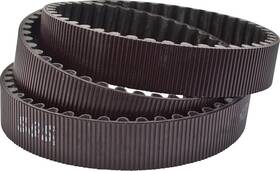
( Brand: S-s Cycle ), ( Manufacturer Part Number: 560-0428 ), ( Part Type: Drive Belt ), ( Style: Secondary Drive Belt )
Review S CYCLE Scycle 560-0428ssecondary Drive Belt X7n 136 Tooth 1-1/2 Inch Flt/flht/fxr fits FLT FLHT FXR
The 560-0428 secondary drive belt X7N, manufactured by Harley-Davidson, is an essential component designed to keep your motorcycle's engine running efficiently. This belt is specifically designed for Harley-Davidson models with the X7N drive system, including FLT, FLHT, and FXR series motorcycles.
Measuring 136 inches in length, this secondary drive belt features a cross-section width of 1-1/2 inches. It is engineered from high-quality rubber compound, ensuring the right balance of flexibility and strength for reliable operation. The belt's ribbed design enhances its durability, allowing it to withstand the demanding conditions of continuous use on a motorcycle.
The 560-0428 secondary drive belt X7N is also designed with the proper tension and length to ensure optimal power transmission between the engine and the driven components of your Harley-Davidson motorcycle. Proper belt tension is essential for efficient engine performance, reducing wear and ensuring a long lifespan for the belt.
It's important to note that the secondary drive belt is a wearable part that will eventually need to be replaced. Regular inspections of your motorcycle's drive system can help you identify any signs of wear or damage, allowing you to replace the belt before it fails, preventing potential downtime and costly repairs.
When it's time to replace your Harley-Davidson 560-0428 secondary drive belt X7N, trust the original equipment manufacturer for a perfect fit and reliable performance. This replacement belt is a direct fit for your motorcycle, ensuring easy installation and a seamless integration into your bike's drive system.
Buying the 560-0428S Secondary Drive Belt for Harley-Davidson Models: A Comprehensive Analysis
Introduction:The 560-0428S secondary drive belt is an essential component for Harley-Davidson motorcycles with models such as FLT, FLHT, and FXR. This belt connects the engine to the transmission and plays a crucial role in the bike's functionality. In this analysis, we will discuss the pros and cons of purchasing this belt to help you make an informed decision.
Pros:1. Ensures Smooth Operation: A new secondary drive belt ensures a seamless power transfer from the engine to the transmission, ultimately resulting in improved performance and a quieter ride.
2. Enhances Bike Longevity: Regularly replacing worn-out drive belts helps maintain the overall health of your Harley-Davidson motorcycle, extending its lifespan and reducing the need for costly repairs.
3. Easy Installation: The 560-0428S secondary drive belt is designed for easy installation, making it a cost-effective and time-efficient solution for keeping your bike in top condition.
Cons:1. Periodic Replacement: Like all motorcycle components, drive belts wear out over time and need to be replaced. The frequency of replacement depends on the riding conditions and maintenance habits.
2. Cost: Purchasing a new secondary drive belt can be an additional expense for motorcycle owners, especially for those who ride frequently or experience belt wear earlier than expected.
3. Limited Availability: Depending on your location or the availability at your local dealership, you may need to order the belt online, which could result in a longer waiting time for installation.
Conclusion:The 560-0428S secondary drive belt is an essential component for Harley-Davidson motorcycles, providing a smooth power transfer and ensuring the longevity of the bike. While it is an additional expense, the benefits in terms of improved performance and extended bike life make it a worthwhile investment. By considering the pros and cons, you can make an informed decision about whether purchasing this belt is the right choice for your Harley-Davidson motorcycle.
Recommendation:To ensure the optimal performance and longevity of your Harley-Davidson motorcycle, we recommend regularly checking the condition of your secondary drive belt and replacing it as needed. By staying proactive about belt replacement, you can minimize the risk of unexpected downtime and save on potential repair costs in the long run.
Details:
part #: 5600428 prices
- $275.36-$305.95
specifications drivebeltcycleoi:
- for models: Flt, Flht, Fxr
- brand: S-s Cycle
- mpn: 560-0428
- part type: Drive Belt
- style: Secondary Drive Belt
payments drivebeltcycleoi:
- wallet: Google-pay
- credit card: Mastercard
- other
offer drivebeltcycleoi:
- started: January 11, 2026
- sold: 0
- quantity: 2
- availability: In Stock
- options: Ship-to-home
returns drivebeltcycleoi:
- time: 30 Days
- policy: Returns Accepted
- paid by: Seller
seller drivebeltcycleoi:
- rating: 99.6%
- city: Plymouth, Michigan
- # reviews: 1864
shipping drivebeltcycleoi:
- cost: $0.00
- service: Standard
- type: Fixed
- transit: 3-6 Days
- class: Standard
general drivebeltcycleoi:
- Transmission Drivetrain > Final Primary Drive Parts Kits > Final Drive Belts Chains
- condition: New
S-s Cycle 560-0428 Is Similar To:
- 14mm Drive Tooth 139 Belt 1-12 Cycle 106-0356 High Final Strength (34.7% similar) Select model. Comes as pictured. Select make.s Cycle 14MM 139 tooth high strength final drive belt thumbnails to ' alt name IMG04 ' alt name IMG05 ' alt name IMG06 ' alt name IMG07 ' alt name IMG08 ' alt name IMG09 ' alt name IMG10 item final drive belt year make model part NUMBER106 0356 fitments ...(January 31st, 2015)
- 106-0361 8in 14mm High Cycle Belts Drive T Final Strength 133 1-1 (29.1% similar) Bought new for 07 big dog K9. This is ans belt and is a higher than stock rated belt, to handle your built dog motor. Brand new in box never installed drive belt. Stock 133 tooth...(March 9th, 2015)
- 106-1338 Cycle Gates Tooth Final Drive Belt Harley (37.6% similar) Please do any and all research on the particular part you are interested in prior to purchase. The part number in this listing is fixed so no other parts are included or can be substituted, selected, changed. Actual product may vary from picture and generic. Feel free to ask any all questions prior ...(August 2nd, 2018)
- Pu1204-0102 High Strength Final Drive Belt Tooth Cycle (38% similar) Final drive belt, 14MM 125 tooth gates high strength 1-1 8IN.S gates high strength 1-1 8IN. Final drive belt, 14MM 125 tooth's gates high strength 1-1 8IN...(May 7th, 2018)
- Pu1204-0104 Drive Belt Carbon Cycle (30.5% similar) ...(June 27th, 2018)
- 106-0351 S Cycle High Strength Final Drive Belts (33.6% similar) Select products qualify for free ground shipping in the continental us. Actual product may differ...(July 17th, 2016)
- 106-0352 S Cycle High Strength Final Drive Belts 1-1 2in 14mm 132 T (37.3% similar) High strength final drive belts...(September 19th, 2016)
- 106-0355 S Cycle High Strength Final Drive Belts (33.6% similar) You can reach us through or by phone at. If you ever have a question or problem, please let us know...(April 6th, 2016)
- 106-0360 Belts 8in Final Cycle Strength 14mm High 1-1 Drive T 132 (28.4% similar) This occasionally happens, and is rare. Our phone number is. Our phone number is expedited shipping via USPS priority mail with delivery confirmation is available. This occasionally happens, and is rare. For more details motor city sports center, inc. For more details motor city sports center, inc. ...(September 22nd, 2015)
- 106-0362 S Cycle High Strength Final Drive Belts 1-1 8in 14mm 135 T (38.7% similar) Special order items and colors are non returnable once purchased. Find us 1338 rocky point dr. High strength final drive belts price free shipping within the continental USS has teamed up with gates, a leading manufacturer of power transmission belts, to offer a series of secondary drive belts these...(September 19th, 2016)
- 106-0363 S Cycle High Strength Final Drive Belts 1-1 8in 14mm 139 T (38.7% similar) Final drive belts available with 14MM pitch in and width s 14MM 139 tooth. 14MM 139 ts has teamed up with gates, a leading manufacturer of power transmission belts, to offer a series of secondary drive belts these belts feature gates super strong X3N carbon cord material which is significantly ...(April 23rd, 2016)