KAWASAKI 13140-1005 Top Fork Nos 4TH
fits model: Kx250. make: Kawasaki. year: 1978–1979.
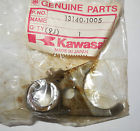
( Manufacturer Part Number: 13140-1005 ), ( Part Type: Fork ), ( Country/region Of Manufacture: Japan )
Review KAWASAKI Top Fork Nos 4th Shift fits KX250 1978–1979
The 1979 KX250, with the specific part number 13140-1005, is a vintage motocross bike that has stood the test of time. This particular model is known for its powerful engine and agile handling, making it a favorite among collectors and enthusiasts alike.
The 1979 KX250's suspension system is a key feature, and the 1978 Kawasaki fork nos 4th you're looking for are an essential part of that system. These forks, with their original part number, are designed to provide a smooth ride, absorb shocks, and maintain control during high-speed maneuvers. They are made of high-quality materials, ensuring durability and reliability even after several years of use.
The 1978 Kawasaki fork nos 4th are easy to install and require minimal maintenance. They are designed to fit perfectly with the 1979 KX250, ensuring a seamless integration with the existing suspension system. The forks are also adjustable, allowing you to customize the bike's handling and ride to suit your preferences.
In summary, the 1979 KX250 13140-1005 and the 1978 Kawasaki fork nos 4th are not just parts, but essential components of a classic motocross bike. They embody the spirit of adventure and the thrill of the open road, making them a must-have for any true motocross enthusiast.
Pros of buying a 1979 KX250:1. Vintage appeal: The KX250 is a classic motocross bike that has a timeless design and is highly sought after by collectors and enthusiasts.
2. Affordability: Older bikes like the 1979 KX250 are generally more affordable than newer models, making them a good option for budget-conscious buyers.
3. Simplicity: Older bikes are often simpler in design and have fewer electronics, making them easier to maintain and repair.
4. Fun factor: Riding an older bike can be a fun and unique experience, and the KX250 is known for its good handling and performance.
Cons of buying a 1979 KX250:1. Reliability: Older bikes may not be as reliable as newer models, and parts may be harder to find or more expensive.
2. Safety: Older bikes may not have the same safety features as newer models, such as airbags or ABS brakes.
3. Performance: While the KX250 is known for its good performance, older bikes may not have the same power or speed as newer models.
4. Maintenance: Older bikes require more regular maintenance to keep them running smoothly, which can be time-consuming and expensive.
Conclusion:Overall, buying a 1979 KX250 can be a fun and rewarding experience, but it's important to consider the potential drawbacks. Older bikes may require more maintenance and may not be as reliable or safe as newer models, but they can be more affordable and have a classic appeal. If you're up for the challenge of maintaining an older bike and enjoy the nostalgia of riding a classic, the 1979 KX250 could be a good option for you. However, if you're looking for a reliable and high-performance bike, you may want to consider a newer model.
Recommendation:If you're interested in buying a 1979 KX250, I would recommend doing some research on the bike's history and checking its condition thoroughly before making a purchase. It's also a good idea to have the bike inspected by a mechanic to ensure that it's in good working order. Additionally, be prepared to invest time and money in maintaining the bike to keep it running smoothly. If you're willing to put in the effort, the 1979 KX250 can be a fun and rewarding addition to your collection.
Details:
Genuine Kawasaki nos new old stock shift fork, 4th and top gear, Kawasaki part number fits 1978 and 1979 Kawasaki KX250 motorcycles.
part #: 131401005 price
- $33.53
specifications drivebeltcycleoi:
- for models: Kx250
- for makes: Kawasaki
- for years: 1978-1979
- mpn: 13140-1005
- part type: Fork
- country/region of manufacture: Japan
Payments:
- PayPal
Seller:
- city: White Lake, Michigan
- zipcode: 48386
Offer:
- best offer: false
- # Sold: 0
- quantity: 2
- # bids: 0
- Started: January 19, 2015, 11:21 pm
Returns:
- time: 14 Days
- type: Money Back
- paid by: Buyer
- policy: returns accepted
General:
- Motors > Parts & Accessories > Motorcycle Parts > Drivetrain & Transmission > Gearboxes & Gearbox Parts
- condition: New
- in stock: Yes
Ratings:
- Quick response and fast payment. Perfect! THANKS!! 01-20-15
- Item as described in mint condition. 01-19-15
- Thank you for an easy, pleasant transaction. Excellent buyer. A++++++. 01-20-15
- Great 01-18-15
- good transaction 01-19-15
Shipping:
- handling: 1 days
- type: Flat
- cost: $5.95
Kawasaki 13140-1005 Is Similar To:
- 02550tsg Kawasaki Mule Transmission Shaft With Gears Shift Lever Neutral Switch (26.3% similar) Used but in very good condition. This listing is for 2002 kawasaki 550 mule KAF300C6 transmission shaft with gears, shiftier lever and neutral switch included...(August 21st, 2018)
- 05-vn2-trans Kawasaki Vulcan Transmission Shift Drum Vn Jh (29.3% similar) This transmission was removed from a running riding 2005 kawasaki VN2000 Vulcan. The gears and shafts are in great condition as shift drum forks...(August 9th, 2018)
- 13091-1364 Kawasaki Shift Drum Holder Fits (36% similar) The rates listed may be higher or lower than actual cost...(June 22nd, 2018)
- Nos Kawasaki 84-87 13097-1084 18t Kxt250 Oem Spur Primary Gear (25% similar) Please pack items as they were sent to you to prevent damage. We choose the shipping method that is most economical. Some items are obsolete and limited information is available in regards to fitment. New old stock fits. Must be written on the outside of the package to expedite the return process. ...(March 3rd, 2015)
- 13127-0003 13128-0013 Kawasaki Vulcan Oem Transmission Drum Shift Gears Forks (35.6% similar) ...(July 8th, 2019)
- 13127-033 Kawasaki Nos Genuine Transmission Input Drive Shaft Oem Oe (31.7% similar) This may show light wear including corrosion from being handled, stored and or displayed. This is in nos unused condition. The actual item is shown. Free USA shipping. The majority of items we sale are shipped through USA postal service USPS and or FedEx with delivery confirmation. This may or not ...(June 16th, 2018)
- 13128-024 Kawasaki Nos Oem Output Shaft Coyote (38.5% similar) You are viewing an oem kawasaki nos MB1 coyote output shaft. You are the expert. Shipping costs are estimated. To ensure fitment please look at all pictures and compare yours before purchasing. Part may fit other years and model's...(October 26th, 2018)
- 13128-040 Kawasaki Ke Transmission Gears Shafts Shift Drum Forks (31.1% similar) The part listed was removed from 1976 kawasaki KE125. No damages noticed. This is a used kawasaki KE125 transmission. Please study the photos. Comes as shown, with whats shown. Removed from a good running dirt bike. This is a used 1976 kawasaki KE125 transmission removed from good running dirt ...(March 14th, 2019)
- 13129-024 Kawasaki Nos Low Gear Transmission Gearbox Genuine Oem (34.4% similar) Genuine oem, don't miss out. Up for sale is a nos low gear your kawasaki h1 500 transmission...(May 16th, 2018)
- Oem Kawasaki 2nd En500 Output Ex500 Gear 13129-1078 Kz550 Nos Zr550 En450 Zx550 Zx600 32t (20.4% similar) Oem nos kawasaki 2ND gear, output 32T new old stock in factory packaging. This kawasaki 2ND GEAR,OUTPUT,32T is used on these model's and components KZ550 a1 transmission '80 '81 a1 a2 KZ550 a1 transmission '82 '83 a3 a4 KZ550 c1 ltd transmission '80 '81 c1 c2 KZ550 c1 ltd transmission '82 '83 c3 c4 ...(February 7th, 2015)
- 13129-1133 Kawasaki Nos Top Gear Fits Other Models (44.4% similar) Fits various years and model's...(November 4th, 2018)